College of Engineering Alumni Share Career Insights at Mentoring Event
January 29, 2026
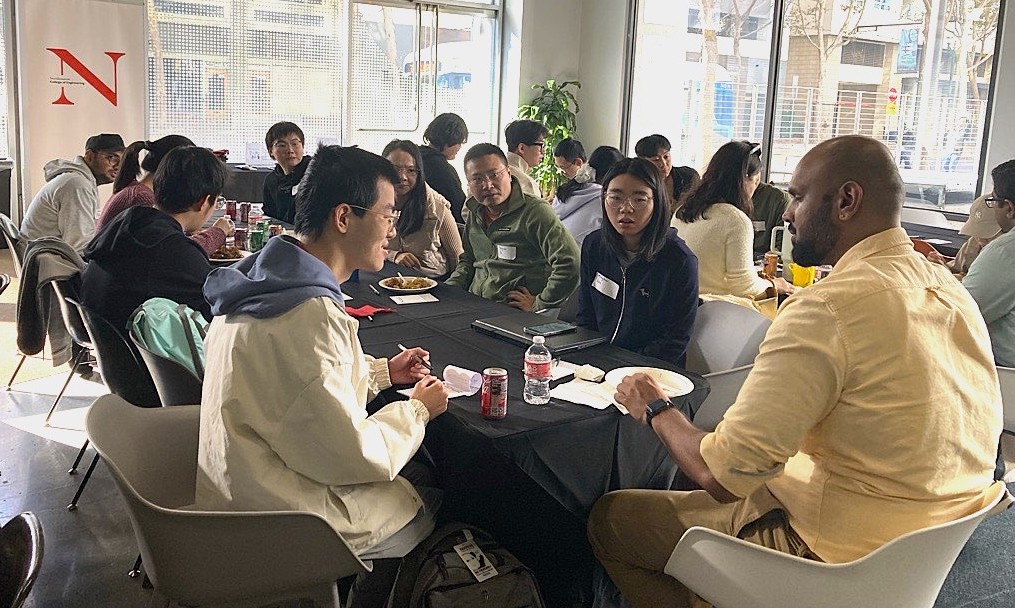
Students gathered on campus in fall semester for an engaging afternoon of career guidance, resume strategies, and real-world advice from technology professionals working at some of the industry’s leading companies.
Co-hosted by Associate Co-op Coordinator Erica Hatzievgenakis and Academic Advisor Kimberly Wright from the College of Engineering, the event brought together four accomplished professionals who once sat in the same classrooms, faced the same uncertainties, and ultimately carved successful paths in tech’s competitive landscape.
The panelists — Satyam Arora (Software Engineer II at BILL), Joel Ponukumatla (Senior Solutions Architect at AWS), Shaunak Bhujbal (Senior Software Manager at Autodesk), and Allen Sebastian (Product Manager at NVIDIA) — offered more than polished success stories. They shared the messy middle: the failed startups, the rejected applications, the 5:00am job hunts, and the moments of doubt that eventually gave way to breakthrough opportunities.
Trust the Process, Even When It’s Uncomfortable
Shaunak’s journey began over 15 years ago at Northeastern’s Boston campus during the 2009 financial collapse. Without a strong computer background at home, he relied on career fairs and co-op opportunities. A chance encounter with a Symantec director at a career fair, where he showcased his projects, led to his first full-time position.
Since then, he’s worked with six or seven companies, from seven-person startups to organizations like Autodesk. Through it all, one constant remained: curiosity, drive, clear communication, and the willingness to ask questions. “Don’t get disappointed with rejections,” he emphasized. “Just keep focus and walk towards your goals.”
Breaking Down Big Problems Into Manageable Pieces
For students transitioning from non-technical backgrounds, Joel offered practical wisdom from co-founding offlyn.ai. Despite having no iOS development experience, he launched an app in the App Store within two months by following advice from a Boeing CTO: read Atomic Habits and break problems into sizeable chunks.
“Any sort of change is always going to be uncomfortable, but if you make it fun, if you break it out into sizable chunks, you train your mind to get comfortable with the problem,” Joel explained. He advocated for structured 30-day learning programs, certifications, and building portfolios on open-source platforms to demonstrate capability.
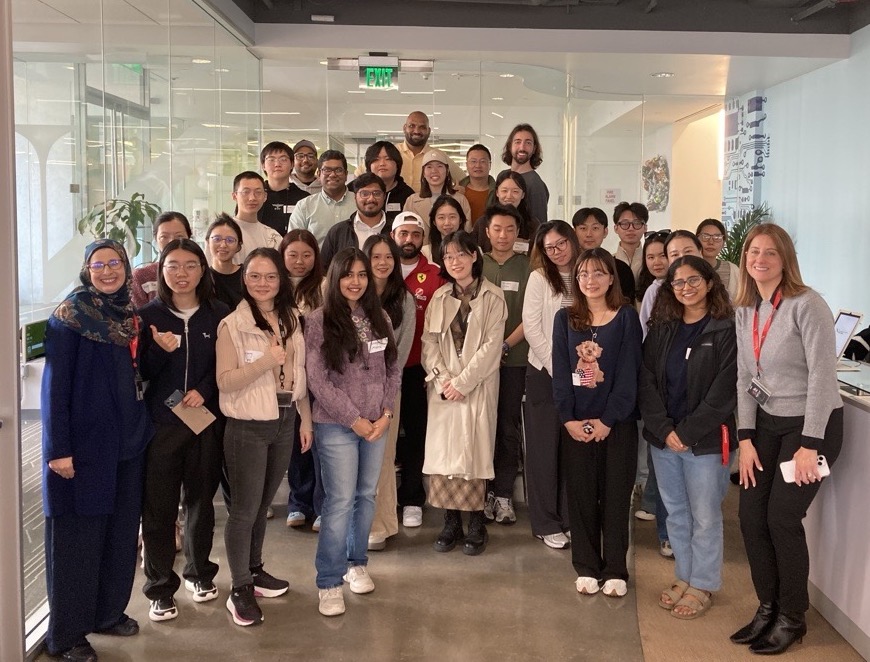
The group poses together at the end of the discussion.
Building in Public and Showing Momentum
Satyam’s journey exemplified persistence. After gaining experience at Finastra and Ericsson in India, he founded three businesses alongside his job – two failed but taught him invaluable lessons. “I usually share that openly, because that gave me experience understanding how investor conversations work, how failure works,” he reflected.
After his Northeastern master’s degree and an internship at a data AI platform company, he joined BILL as a senior engineer. He also co-founded a fintech startup as CTO, achieving $8.9 million in revenue. For career-switchers, Satyam identified three common traits: they built in public, combined existing expertise with new technical skills, and showed consistent momentum.
The Job Search: Strategy Meets Volume
All panelists agreed: finding a job is itself a full-time job, and it’s a numbers game. Joel noted that applying for 100 positions might yield a 5% response rate, and Satyam shared tactical strategies from filing over 1,000 applications:
- Pick your niche and focus on depth
- Target 30 companies per week
- Ensure your resume score is above 90 for ATS systems
- Apply to jobs posted within the first 24 hours, wake up at 5 AM to be first in recruiters’ mailboxes
- Place your summary and technical skills at the top; recruiters have seven to eight seconds to decide
- Use LinkedIn strategically: search “#hiring” plus your position, filter to 24 hours, and comment to build connections
- Invest three to four hours daily in applications, then focus on interview preparation
Shaunak recommended creating multiple resumes targeting different specializations (frontend, backend, DevOps, security, machine learning), then using automation tools to apply efficiently, reserving extra customization for dream companies.
Building End-to-End Portfolio Projects
Shaunak also offered concrete advice for building practical portfolios, especially for students from non-technical backgrounds. Rather than creating simple to-do applications that everyone builds, he encouraged students to develop toned-down versions of real applications like Instagram or Amazon.
“When you’re building a toned-down application, you tend to interact all the way from front end to back end, utilizing some of the cloud infrastructure, something design-specific,” he explained. This approach provides exposure to different facets of development and demonstrates end-to-end experience, which is something hiring managers actively seek. Building something more substantial and practical helps shape both your resume and your actual technical capabilities, giving you genuine stories to share in interviews about the challenges you solved and the technologies you mastered.
Walking Away Inspired
As the panel concluded, students had received more than career advice; they’d witnessed authenticity from recent graduates who remembered the struggle and chose to return to help others navigate similar challenges.
The recurring message was clear: the path isn’t linear, rejection is part of the process, and success comes from combining technical skills with persistence, adaptability, and strategic effort. Whether through certifications, portfolio projects, strategic networking, or simply showing up with curiosity and determination, the way forward exists for those willing to trust the process.
As Shaunak reminded everyone at the start: trust the process, know that others share your journey, and keep walking toward your goals. With the wisdom shared at this panel and the support of Northeastern’s vibrant community, students are equipped not just to enter the workforce, but to shape it.